

By Ukpong Ukpong_
The health insurance scheme in Akwa Ibom State was launched with the promise of extending quality healthcare to a broader populace, especially those employed in the public sector and their families. In theory, the initiative represents a bold commitment to social equity, a mechanism through which the government can pool resources, subsidise treatment, and thereby reduce the financial burden that often deters families from seeking early medical attention. By lowering out of pocket expenses, the scheme is expected to encourage prompt presentation of illnesses, create a fund that can be directed toward upgrading facilities, and ensure a steady supply of essential drugs.
If these objectives are realised, the result should be improved health outcomes, a healthier workforce, and a catalyst for economic growth that benefits the entire state.
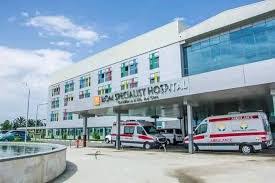
That promise began to crumble when I visited one of the private hospitals participating in the scheme. What I experienced there reveals a troubling gap between policy intent and implementation. Information gathered from other health facilities—both public and private—across Uyo and six surrounding local government areas shows that the scheme is crippled by systemic ineptitude among health workers, a problem that manifests in chronic negligence and truancy. Staff members frequently abandon their posts, leaving wards understaffed and patients unattended for hours on end.
The anecdote of a patient who waited from early morning until 4:47 pm only to be told to return the next day epitomises the disrespect for citizens’ time and dignity that has become endemic in many public health facilities. Such experiences erode trust and discourage the very individuals the scheme is meant to protect.
Equally concerning is the misapplication of data and the mishandling of personal information. Records are often entered incorrectly, leading to misdiagnosis or delayed treatment. The insecure filing of patient details raises serious privacy concerns, violating the confidentiality that underpins any credible health system. When personal data is not protected, patients are left vulnerable not only to medical error but also to potential abuse, a breach that undermines the ethical foundation of the insurance scheme.
From my personal experience, I perceive a huge task before the scheme’s managers if they must consolidate on the successes achieved so far. When I accompanied my wife—a civil servant—to a private facility, we were treated not as a family but as separate entities. While she received preferential service, I was left to wait for hours, a stark illustration of a culture of favouritism that erodes the principle of equal access. The inequity was not an isolated incident; it reflects a broader pattern in which those with connections or who are perceived as more “important” receive expedited care, while ordinary citizens are left to navigate a labyrinth of bureaucracy.
The strain on the system is evident in the surge of patients seeking care in private hospitals, which are now overwhelmed. This upsurge underscores the urgent need for the state to employ more health workers—a need that is beginning to be addressed. At present, a single medical doctor is forced to attend to hundreds of patients, a scenario that compromises quality and safety. The pressure on these overworked professionals often results in rushed consultations, heightened risk of error, and a pervasive sense that patients are at the mercy of overstressed staff.
In addition to the challenges within public facilities, private hospitals that participate in the scheme must also be monitored for compliance with basic standards. The management of private health facilities should be required to employ more staff and undertake continuous training to update their skills. Without such oversight, private providers may cut corners, provide suboptimal care, and exploit the scheme for financial gain while failing to deliver the quality of service promised to beneficiaries. Ensuring that both public and private actors adhere to the same rigorous standards is essential if the scheme is to achieve its intended impact.
A vivid illustration of the breakdown in the system occurred when I witnessed a mother, after waiting for hours with her two teenage children, invade the data office, snatch her file from a staff member, and proceed to submit it directly to the doctor’s table in a desperate bid to be attended to. Despite being tested for malaria and typhoid and receiving positive results, she was given only antimalarial drugs because that was all that was available. This incident encapsulates the cascade of failures: prolonged waiting times, data mismanagement, inadequate medication supplies, and a staff culture that forces patients to take extreme measures to receive basic care.
The cumulative effect of these issues is a health insurance scheme that, while promising in concept, operates far below the standards required to protect the health of Akwa Ibom’s citizens. The benefits of public investment—reduced financial barriers, early treatment, and upgraded infrastructure—are being undermined by poor staff conduct, data mismanagement, and insufficient staffing. To transform the scheme from a theoretical benefit into a functional lifeline, continuous monitoring, transparent accountability mechanisms, and decisive hiring of qualified personnel are essential. Both public and private health facilities must be held to the same high standards, with regular audits, mandatory training, and adequate staffing levels enforced without exception.
Truth be told, the health insurance scheme in Akwa Ibom State stands at a crossroads. It can either continue down a path marked by neglect, inefficiency, and inequality, or it can be reimagined through rigorous oversight and a commitment to the welfare of every patient. The stories of those who have endured hours of waiting, witnessed the seizure of medical records, and left facilities with insufficient medication serve as powerful reminders of the human cost of inaction. By addressing the systemic shortcomings—staffing deficits, data security lapses, and the need for consistent standards across both public and private sectors—the state can fulfill its promise of equitable, quality healthcare for all its residents. The time for half measures has passed; what is required now is a comprehensive, sustained effort to monitor, reform, and strengthen the health insurance scheme so that it truly serves the people of Akwa Ibom.
Ukpong Ukpong writes from Uyo. For comments, please contact him via WhatsApp: 08061214258
